

In 1981, television was still dominated by the Big Three Networks: ABC, CBS, and NBC. Fox was five years away from existing. No streaming. VCRs were expensive novelties.
And no offense to PBS, and thank you for Sesame Street and Mister Rogers, but if you wanted to watch TV, you watched something on the Big Three.
What does this have to do with Grits McCoy and Gravy Watkins, the retired pro athletes turned paranormal detectives who are the protagonists of my first novel Midnight Miami?
Since you asked, I will tell you.
Midnight Miami, the first Grits & Gravy Mystery novel, arriving May 12, 2026, is set in Miami in the summer of 1981. In 1981, television functioned as more than entertainment. It gave people a common language. On any given night, a large portion of the population watched the same program. It created shared experience.
In 1981, there were roughly 79.9 million TV households. Today, there are approximately 125.5 million.
In 2024–2025, CBS’s top show, Tracker, averaged 17.44 million viewers per episode, only slightly more than the #15 show in 1981, Happy Days, at 16.62 million. When adjusted for household growth, Tracker’s audience is roughly equivalent to 8.8 million viewers in 1981.
If you were a second grade boy and C.H.i.P.s was on Sunday night, you could assume your friends watched it. Monday morning at school would confirm it.
The pop culture of 1981 becomes part of the language of the world of Grits & Gravy. Especially one show that also reflects my personal preferences. So here is a primer on some of the great TV shows of 1981, along with Nielsen rank and average viewership.
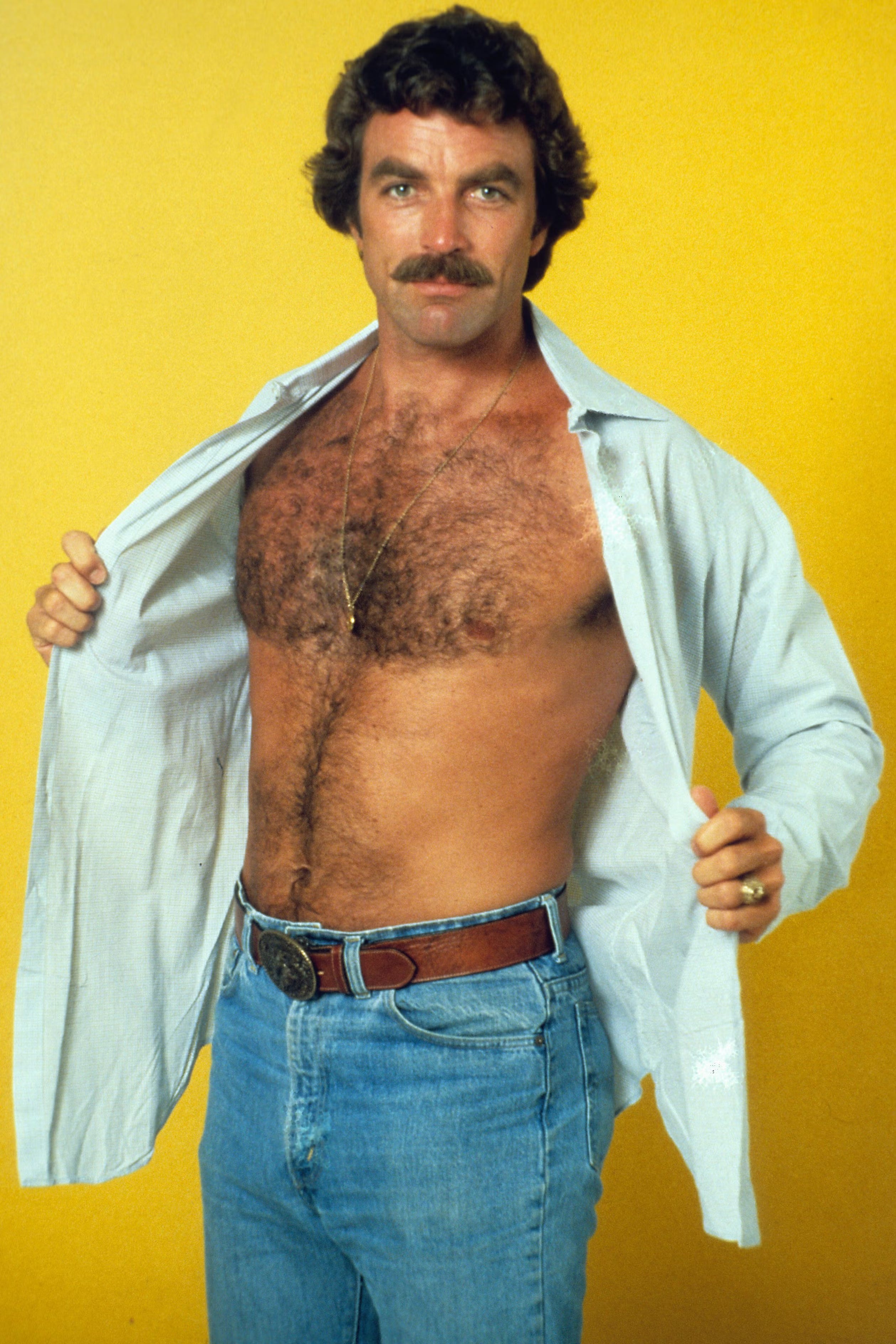
Magnum, P.I. (#15 – 16.78 million)
Magnum, P.I. debuted in 1980 and followed Thomas Magnum, a Vietnam veteran working as a private investigator in Hawaii while living on the estate of a mysterious novelist. The show blended detective stories with action, humor, and surprising character depth, particularly in Magnum’s friendships with fellow veterans Rick and T.C. At a time when many detective shows leaned hard into formula, Magnum felt warm, personality-driven, and grounded in emotional stakes. It quietly explored post-Vietnam themes of loyalty, trauma, and identity without ever feeling heavy.
I rewatched a few episodes a few months back. They hold up well, though I still find Tom Selleck’s habit of tucking his Hawaiian shirt into his jeans deeply confusing. In the end, it is a solid, well-written detective show that is still worth watching.
But know this. If you were conceived in the 1980s, your mother was probably picturing this image.
C.H.i.P.s (#25 – 15.50 million)
C.H.i.P.s followed California Highway Patrol officers Jon Baker and Frank “Ponch” Poncherello as they patrolled Los Angeles freeways dealing with everything from routine traffic stops to organized crime and elaborate vehicular chaos. The show leaned heavily into practical stunt work, which makes it visually impressive even today. It also captured a version of Southern California that felt wide open, bright, and slightly lawless in that uniquely late-1970s and early-1980s way.
This show was a childhood staple, up there with Dukes of Hazzard. My brother and I spent entire summers on bike missions pretending to be Ponch and Jon.
I have been binge-watching these on Amazon Prime. They are incredible time capsules of Southern California in the late 70s and early 80s. Producers used Los Angeles freeways that had been built but were not yet open to the public, which meant real sunlight, real asphalt, and no digital effects. It also meant every episode could include absurd car crashes. What would now be done with CGI was once accomplished by stuntmen risking their necks and destroying a truly impressive number of cars.
How do they hold up? That depends on your tolerance for cheese.For example, an episode from Season 5 (Trained for Trouble) described by Amazon thusly:
“Ponch and Jon find themselves against an unusual band of robbery suspects-- a trained dog, monkeys and a hawk. Ponch’s look-alike happens to be a popular male stripper.”
Make of that what you will.
More to come on C.H.I.P.s in future posts.
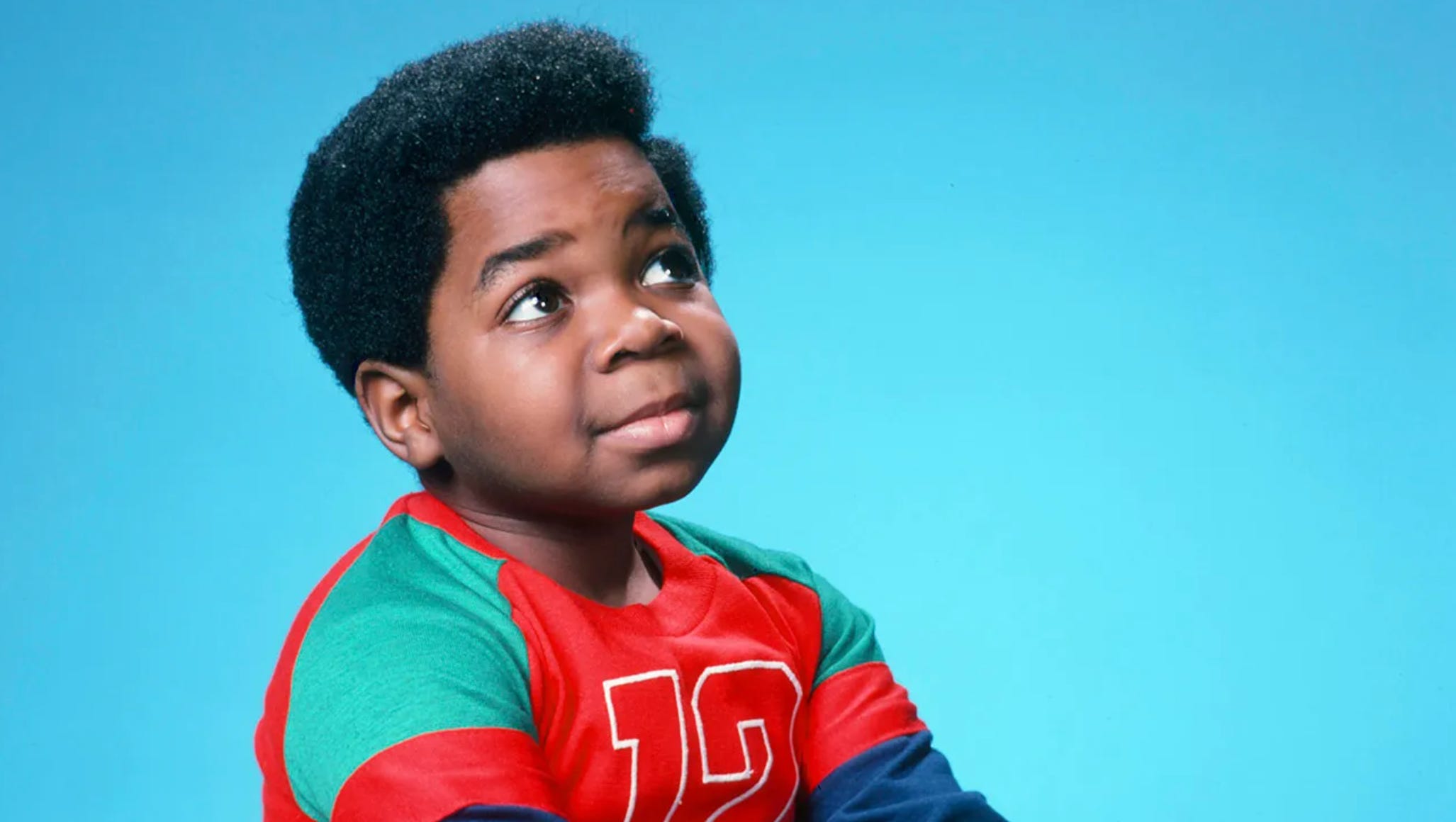
Diff’rent Strokes (#19 – 16.54 million)
Diff’rent Strokes followed two Harlem brothers, Arnold and Willis Jackson, who are adopted by wealthy businessman Phillip Drummond and move into his Manhattan penthouse. The show mixed traditional sitcom humor with occasional attempts to address class, race, and childhood vulnerability. At its best, the show worked because of character chemistry, especially Gary Coleman’s performance as Arnold.
The show is unfortunately remembered more for the later lives of its young stars. Rewatching it, Gary Coleman does not get enough credit as a performer. You are pulled toward him every time he appears on screen.
Like many sitcoms, the premise is often absurd and everything resolves in 22 minutes. But the show was built for families and children nearly fifty years ago, so I am not inclined to overthink it.
And yes. You want to hear him say the thing.
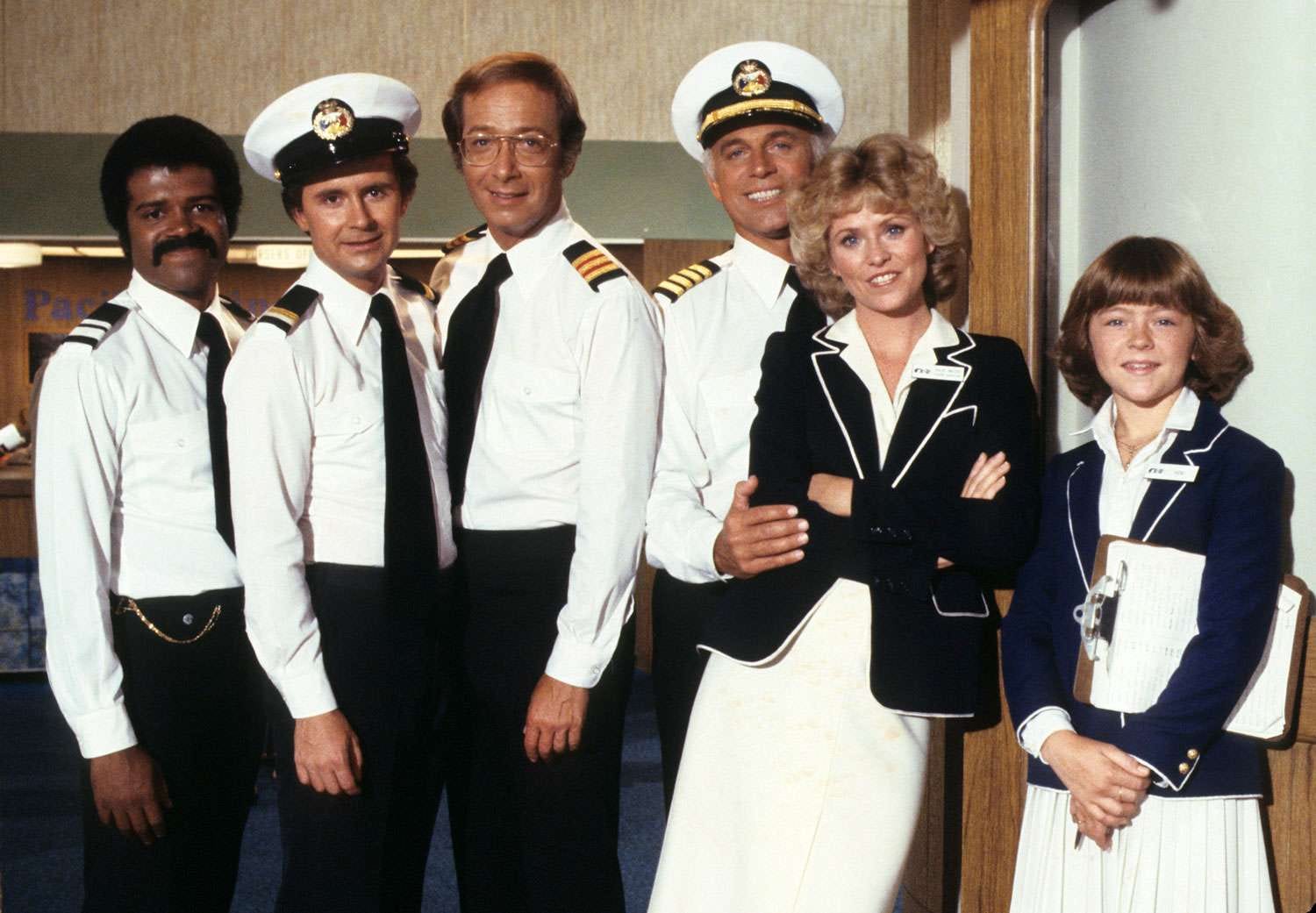
The Love Boat (#5 – 19.42 million)
While writing Midnight Miami, I realized something simple and wonderful.
Your characters like whatever you want them to like.
For example, Grits McCoy and Gravy Watkins share a trait with me.
Their favorite television show is The Love Boat.
The Love Boat followed weekly passengers and crew aboard a luxury cruise ship, blending romantic storylines, celebrity guest appearances, and light comedy. It functioned as both escapist fantasy and cultural snapshot, offering viewers a rotating cast of familiar actors in stories about love, mistakes, and second chances. The formula was simple, reliable, and comforting, which is exactly why it worked in an era when television functioned as shared national background noise.
My bond with The Love Boat formed in college. My roommate and I had a nightly ritual.
5 PM to 6 PM. Watch The Love Boat.
6 PM to 7 PM. Dinner.
Corny? Maybe. Cheesy? Absolutely. Best theme song ever? Yes.
BONUS — Every Guest Ever on The Love Boat
If you were a working actor in the late 1970s or early 1980s, you probably appeared on The Love Boat at least once. The guest list reads like a time capsule of American entertainment. Film legends, television regulars, musicians, athletes, and future stars rotated through constantly. For viewers, it created the sense that everyone existed in the same shared television universe. For historians, it provides a snapshot of who mattered, who was rising, and who was transitioning at any given moment in pop culture history.
Television in 1981 did something that is nearly impossible today. It synchronized experience. Millions of people laughed at the same jokes, heard the same theme songs, and absorbed the same cultural shorthand at the same time.
That is why television matters in Midnight Miami. It is not nostalgia. It is environmental storytelling. It is background radiation for how people thought, what they expected from life, and what they believed heroes were supposed to look like.
Before streaming fractured audiences into thousands of microcultures, television was one of the last places where America experienced something together. The shows were not always sophisticated. They were not always realistic. But they were shared.
And if you want to understand how people thought in 1981, start with what they watched when they turned the dial to one of three choices.